Rainwater Tank Installation in Elimbah
A rain tank plumbed into the house is real plumbing work, not just a pad and a downpipe. The rainwater tank installation we do for Elimbah homes runs tank water to the cisterns, the laundry and the garden, and it all starts with a call to your Elimbah plumber.
If we're late, $100 comes off your bill

- Licensed and InsuredEvery job done by a licensed plumber. QBCC No: 15024607
- Fixed Quote FirstFlat-rate pricing, agreed before any work starts
- Lifetime Labour WarrantyBacked by our Fix-It-or-It's-Free guarantee (T&Cs apply)
- $0 Call-Out FeesNo extra charge for nights, weekends or public holidays
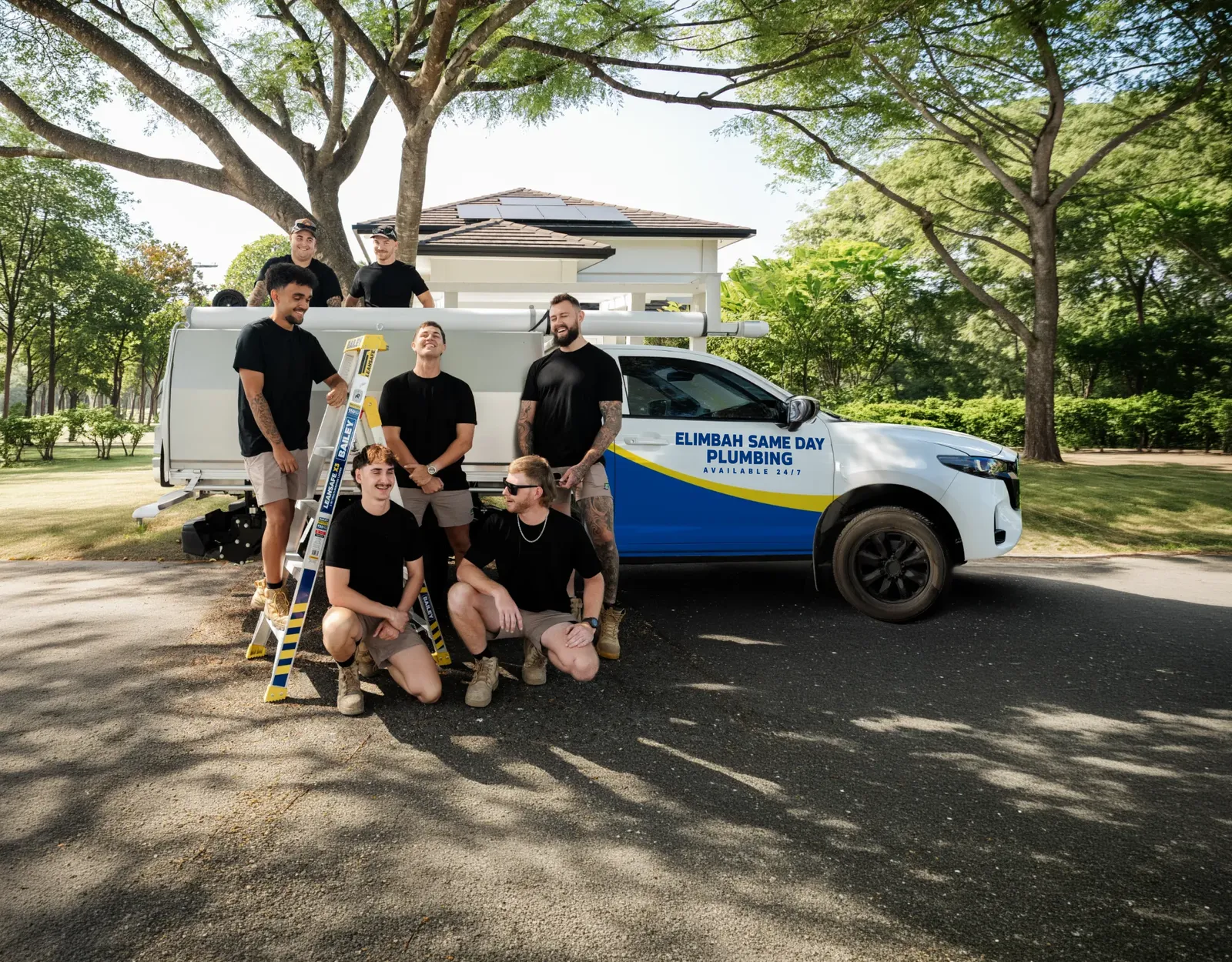
Every job is done by a licensed plumber. Blocks out along Pumicestone Road and through the acreage runs suit a tank well. The Beerburrum Forest weather station, a short way north, records an annual average near 1306 mm, so there is plenty of roof water to catch.
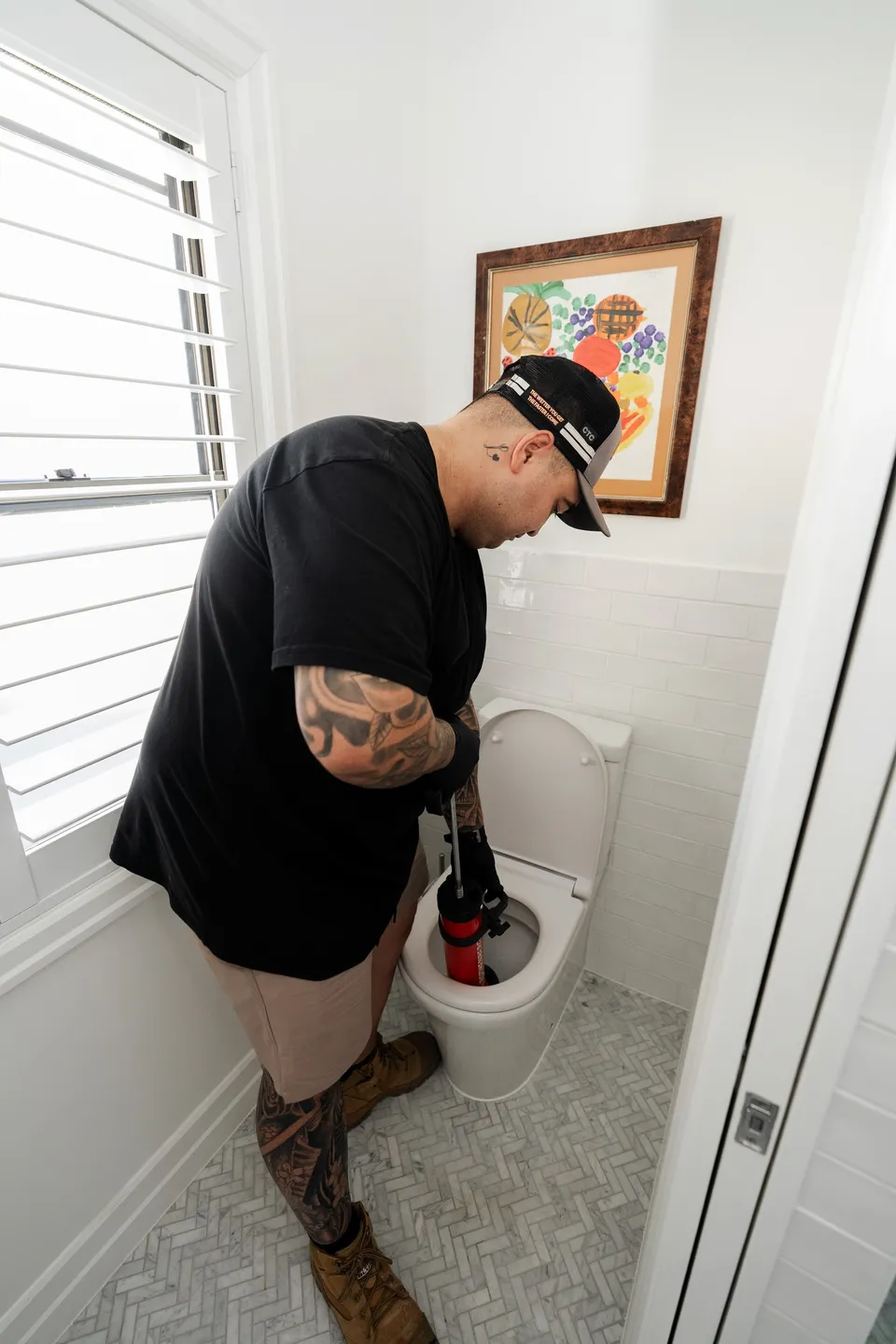
From Roof to Toilet and Laundry Tap
Roof water runs through a first flush diverter, then a screened inlet, then into the tank. A plumbed outlet carries it on to the cisterns, the washing machine's cold tap and the garden taps, and a licensed plumber makes that connection.
What each part does:
- First flush diverter: it tips the first and dirtiest roof water out, so debris washed off the roof never reaches the stored supply.
- Screened inlet: mesh or a flap valve over every opening, overflow pipes included, with metal gauze no coarser than 1 mm.
- The outlet line: the tank to toilet connection, plus branches to the laundry tub and the garden.
- A pump usually sits on that line, and our tank pumps page covers choosing and protecting it.
Where the tank feeds existing copper or poly lines, our water pipe repairs page covers the supply side it joins.

Safe Uses of Tank Water Around the House
Rain off your roof can flush toilets, feed the cold tap at the washing machine and water the garden. Those uses need no further treatment, because the disease risk they carry is low.
The drinking rules are stricter:
- Only a home with no town water should drink tank water, cook with it or shower in it.
- Town water remains the safest, most dependable source for those jobs, so a connected home keeps it at the kitchen sink.
- Filtration on any tap is a separate job, and our water filter page sets out what is involved.
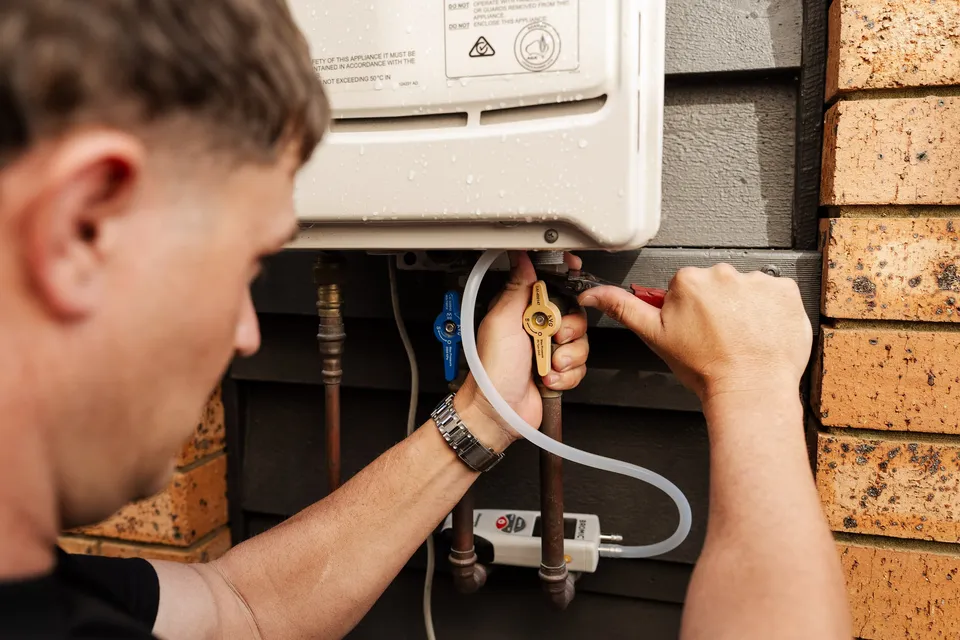
Where a Tank Can Go and Who Approves It
The council decides, because installing a tank passes through its building and plumbing approvals. Moreton Bay also sets placement rules for where the tank sits on the block, and in some areas a minimum gap from a side boundary applies.
Before anything is ordered:
- Ring the council about planning rules first, so its guidelines are clear before you buy.
- Check the position rules for your block, since acreage setbacks differ from town blocks.
- Expect the mandatory extras: mosquito-proof screens, stormwater tie-ins and a first flush diverter.
The Queensland Development Code covers tanks and any other supplementary water supply system. Plumbing work only complies when it meets every performance requirement in each prescribed part.

Tank Maintenance Checks and Their Timing
Three clocks run the upkeep: the diverter every 3 months, a full tank check every 6 months, and the sediment on the longest cycle of two or three years. Mosquitoes are the fine risk: a tank where they can breed can cost up to 3 penalty units on the spot.
Twice a year, check:
- the screens and flap valves for rips, holes and defects, and fix them straight away;
- the roof for built-up leaf and plant debris, and prune branches that hang over it;
- for signs of animals, birds or insects getting in, then close any gaps.
One Unitywater point worth knowing on acreage: water lost through faulty plumbing that tops up a tank is not covered by the utility's concealed leak bill adjustment. Where a tank refills from the town supply, look at the solenoid and the internal top-up parts before questioning a bill.
On the ground here, the upkeep matters more than most places realise. Elimbah is a railway town grown into family estates and acreage, on a Kabi name for the place of the grey water snake. Long wet spells soak the ground that septic trenches sit in, so a tank overflowing beside a saturated trench helps nobody.
After a wet week, the overflow route and the screens are worth an extra look.
How We Plumb a Tank In
- 1

Tell us what's happening
Call (07) 3523 7172 or send the form with a few details about the problem in Elimbah. A clear description helps us bring the right parts.
- 2

We map the tank and the run
On the visit we check the tank's position, which fixtures it will feed, and how the line reaches the house, then quote the connection and the screens.
- 3
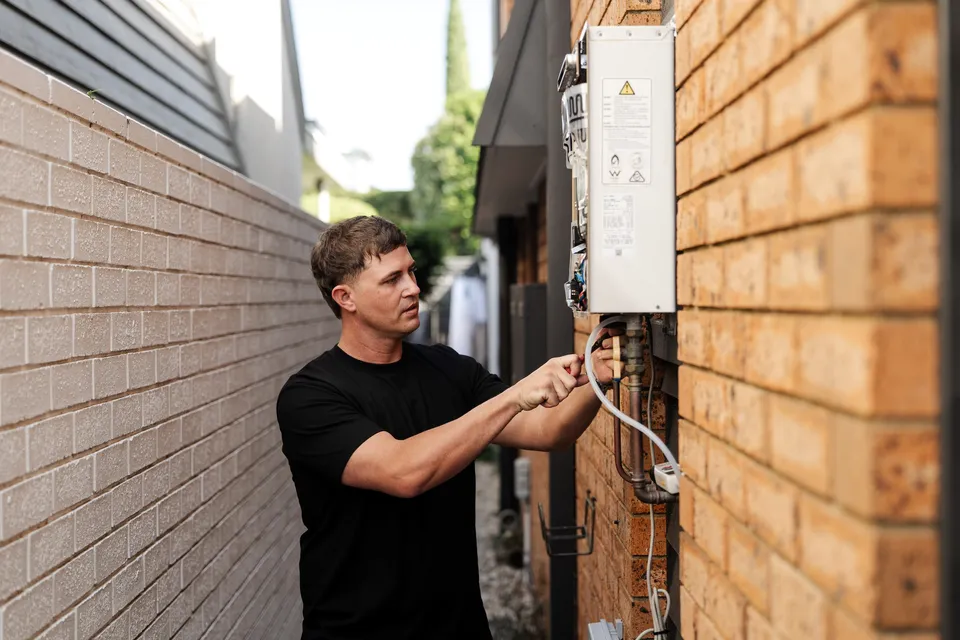
Approve a fixed price
You get a fixed quote before any work starts, with flat-rate pricing and no hidden fees. Nothing goes ahead until you say yes.
- 4

Pay when it's finished
Pay by card or EFTPOS on site once the job's done, or ask about Fix now, pay later. Cost turns on which fixtures the tank feeds, how the line reaches the house, and the state of the screens and the diverter. Your water tank plumber settles all of it in the quote before a fitting is touched.
Plumbing job in Elimbah?
$0 call-out fees, available 24/7, and same-day where we can.
Tank Questions From Elimbah Homes
Call (07) 3523 7172Does my rainwater tank need council approval?
Yes, plan on it. Tanks here sit under Moreton Bay's building and plumbing approval process, with placement rules and, in some spots, a set gap from a side boundary. Call the council before the tank is ordered.
Can I connect my Elimbah rainwater tank to the toilet myself?
No, a plumber has to do it. Running tank water to a cistern or the washing machine counts as regulated plumbing work, so we make the connection and sign off on the job.
When should I clean the first flush diverter on my Elimbah tank?
Every 3 months, plus a clean-out after decent rain. Tip out the diverter, clear whatever it caught, and check it seals again before the next storm.
How often does a rainwater tank need maintenance?
Clean the diverter every 3 months. Check the screens and flap valves, clear the roof and close animal entry points every 6 months. Look for sludge every two to three years.
What do I do about sludge in the bottom of my tank?
Look inside the tank each second or third year. If sludge has built up over the floor, siphon it out or drain the whole tank and start fresh.

Call Us About the TankWe'll call you back.
Ring (07) 3523 7172 and tell us what's wrong. You get $0 call-out fees, a fixed quote before any work starts and same-day where we can, 7 days a week.
To claim your $0 call-out fee, call (07) 3523 7172 today.